

And yes, turmeric does have an impressive anti-inflammatory potential… but in what quantity?
Is a sprinkle here and half teaspoon there actually giving you a meaningful anti-inflammatory effect?
Firstly, what is turmeric?
Turmeric comes from the root of the plant Curcuma longa. The bright yellow colour comes from curcuminoid compounds, the most important of which is curcumin. Curcumin is the compound most researched for its anti-inflammatory and antioxidant effects.
Turmeric powder is only 2-5% curcuminoids – therefore, most of what you add to food (or coffee apparently) is not curcumin.
What does research focus on?
To experience benefits for things like joint pain, osteoarthritis, metabolic inflammation, exercise recovery, and CRP (marker of inflammation) reduction, research does not use turmeric the kitchen spice.
In general, research uses standardised turmeric extracts containing up to 95% curcuminoids or enhanced curcumin formulations. Studies typically supplement with anywhere between 500-1500mg curcumin per day.
That’s a lot of spice to add to your curry!
And it’s not just about the quantity – absorption matters!
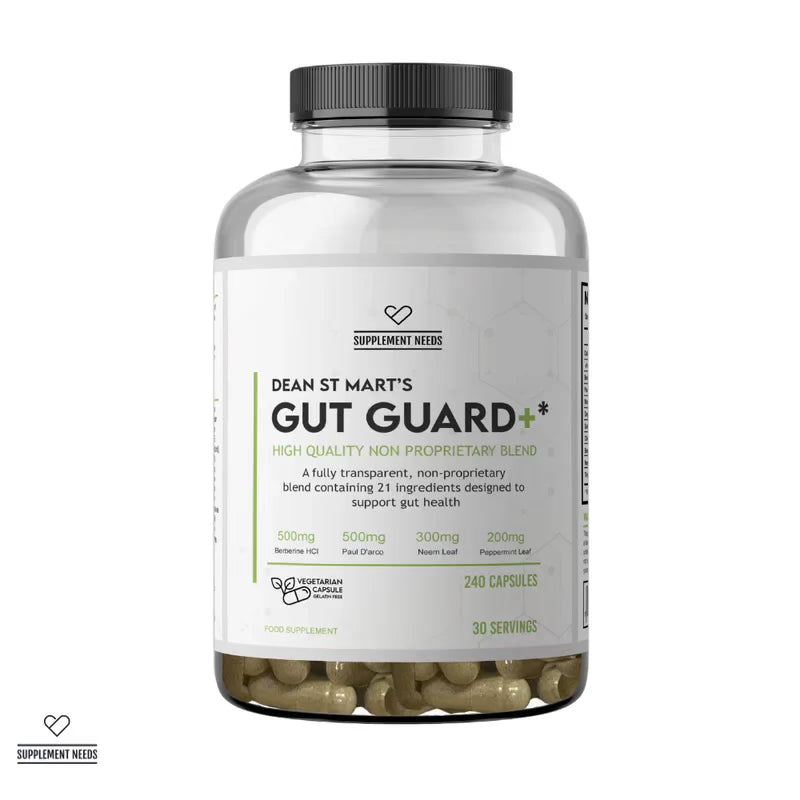
Taking a high dose of curcumin is not enough. It is poorly absorbed, and because it is fat soluble, rapidly metabolised, and quickly eliminated, your body struggles to keep meaningful levels in circulation. So, when you see curcumin supplements on the shelf, you’ll often see that they are combined with absorption enhancers.
The most common of these enhancers is black pepper. Piperine, a compound in black pepper, increases curcumins bioavailability by slowing it’s breakdown. However, piperine works by interfering with liver enzymes involved in drug metabolism, which means it can also affect certain medications, and so it is not suitable for everyone.
There are other options to enhance the bioavailability of curcumin which offer a more therapeutic inflammatory effect:
- Phospholipid complexes: Curcumin is bound to phosphatidylcholine, known as phytosome, which improves the absorption without interfering with drug metabolism.
- Liposomal curcumin: Curcumin is dispersed and encapsulated in tiny spheres that improve uptake by mimicking human cell membranes.
- Taking it with fat: By pairing turmeric extract with a source of fat like olive oil, or full fat yoghurt, absorption is improved – just not to the same level as supplement potency.

Does this make cooking with turmeric pointless?
Not at all! Turmeric, the spice, contributes small amounts of anti-inflammatory compounds and adds a small amount of antioxidant support. It provides flavour, making food choices more exciting and supporting long-term dietary diversity. Just make sure you are separating culinary inclusion from therapeutic dosing.
Final points…
Adding turmeric to meals is a great habit for overall diet quality but expecting it to significantly reduce chronic inflammation in culinary doses is probably unrealistic. If you are looking for targeted anti-inflammatory benefits, you need to focus on a standardised, well-formulated extract supported by scientific evidence.
As always, context matters – so ask yourself, what is this inflammation and what’s driving it? Am I addressing influencing lifestyle factors like stress management and sleep quality? How balanced is my overall diet?
It’s also worth remembering that nutritional supplements work by gently influencing specific biochemical pathways, and they will never replicate the potency or clinical impact of medical anti-inflammatory drugs.