




How they became lactose free is a good question because the answer matters more than most people realise - “lactose-free” on a food label can mean three completely different things. Understanding the distinction is useful whether you’re managing digestive symptoms, a coach advising clients, or just trying to make sense of the dairy aisle.
What is lactose?
Lactose is the naturally occurring sugar found in milk and most dairy products. It’s a disaccharide - a molecule made of two simpler sugars, glucose and galactose - bonded together.
To digest lactose, your body needs an enzyme called lactase, which is produced in the cells lining the small intestine. Lactase breaks the glucose-galactose bond so both sugars can be absorbed into the bloodstream separately.
It’s not uncommon for people produce less lactase as they move through adulthood. This is a normal physiological change called lactase non-persistence (LNP). Lactase non‑persistence is a genetically programmed decline that begins after early childhood, often between ages 2–10, but in some groups first becomes evident in the late teens or early 20’s. The decline continues at the molecular level during adulthood in non‑persistent individuals, leading to the common pattern of reduced lactose digestion in adults, while genetically lactase‑persistent people maintain high activity for life.
In LNP individuals, because lactose isn’t broken down in the small intestine, it passes into the large intestine, where gut bacteria ferment it. This fermentation produces gas, short-chain fatty acids, and draws water into the colon - causing the familiar symptoms of bloating, cramping, flatulence, and diarrhoea that many people associate with dairy.
A note on prevalence: LNP is actually the global norm, not the exception. Estimates suggest around 65–70% of the world’s adult population has reduced lactase activity. The ability to digest lactose into adulthood (lactase persistence) evolved relatively recently and is most common in populations with long histories of dairy consumption, particularly Northern European populations, where prevalence of lactase persistence is around 90%. In East Asian, West African, and many Middle Eastern populations, rates of LNP are considerably higher.
It’s also worth distinguishing lactose intolerance (a digestive issue) from cow’s milk protein allergy (CMPA), which involves the immune system reacting to proteins in dairy — primarily casein and whey. Lactose-free dairy products still contain these proteins, so they are not appropriate for those with CMPA.
Method 1: Lactase is added for “Lactose-Free Dairy”
The most common approach used by manufacturers to produce lactose-free milk, yoghurt, and similar products is to simply add lactase to the product.
When the lactase enzyme is introduced to milk, it does the same job your small intestine would do; it breaks the lactose down into its two component sugars, glucose and galactose. The result is milk with an almost identical nutrition profile to regular milk, but with the lactose already ‘pre-digested.’
This is how brands like Arla Lactofree produce their products and results in a product that is typically 99.9% lactose-free which is sufficient for most people with a lactose intolerance, though individual tolerance thresholds do vary.
There is a sweetness effect…
Lactose-free dairy frequently tastes noticeably sweeter than regular milk even though no sugar has been added and the total sugar content remains virtually the same. This is because glucose and galactose are each individually sweeter than lactose – your taste receptors perceive free glucose and galactose more readily than bound lactose, so the same quantity of sugar registers as sweeter on the palate.
The perceived sweetness is a natural consequence of the enzymatic process, not an ingredient addition.
Method 2: Lactose is removed using filtration technologies.
This is primarily used in the production of whey protein isolate and some specialist dairy products. Whey is the liquid by-product of cheese or yoghurt production. It naturally contains lactose, along with whey proteins, minerals, and water.
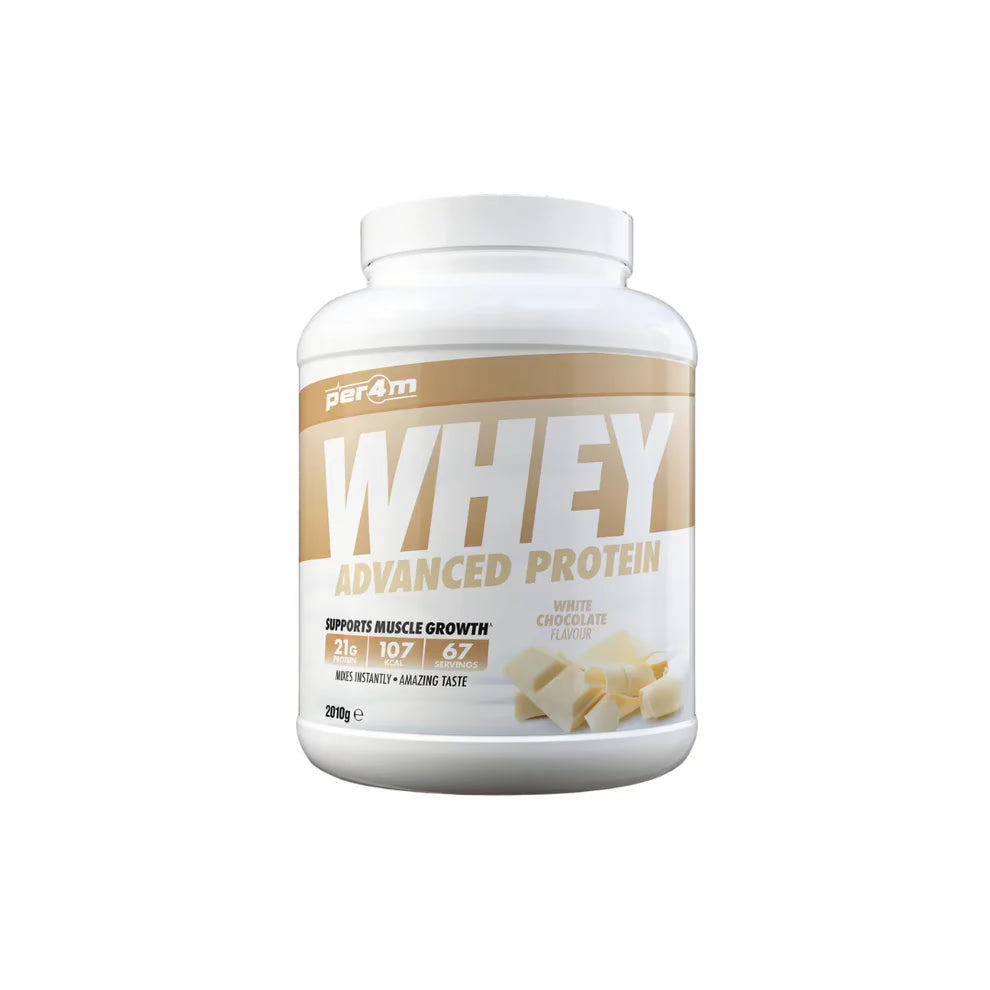
Whey protein isolate (WPI) undergoes more extensive filtration than standard whey protein concentrate, most commonly using ultrafiltration or microfiltration (processes that use size-selective membranes to separate components by molecular weight). Because lactose molecules are larger than some of the filtration targets, this process significantly reduces lactose content, often to below 1% so many isolates are effectively lactose-free.
Ion exchange chromatography is another processing method used for some whey isolates, which selectively captures whey proteins and allows other components - including lactose - to be washed away. The result is a very high-purity protein product.
Naturally lactose-free foods
Naturally lactose free foods are categorically different – their role is to completely replace dairy with something that never contained lactose in the first place.
Plant-based milks like oat milk, soy milk, almond milk, and coconut milk are made from plant sources. They contain no lactose because lactose is a mammalian milk sugar so not found in plants.
Common Marketing Confusion
Nutrition literacy is important:
“Lactose-free” does not mean “dairy-free.”
Lactose-free milk, lactose-free yoghurt, and whey isolate are still dairy products. They still contain cow’s milk proteins. This matters for people with CMPA, dairy allergies, or those following a vegan diet.
“Dairy-free” does not mean nutritionally comparable.
Plant-based milks are frequently assumed to be nutritionally comparable to dairy milk. Most are not, particularly for protein. Cow’s milk (and lactose-free cow’s milk) contains approximately 3.4g of protein per 100ml. Oat milk typically provides around 1g per 100ml. Almond milk often contains less, usually under 0.5g per 100ml. Soy milk is the exception, with a protein content closer to dairy at around 3–3.5g per 100ml, and a complete amino acid profile.
If you choose to switch to plant-based milks without adjusting elsewhere in their diet, this can represent a meaningful reduction in protein intake. This is particularly relevant for older adults, those with higher protein requirements, or people already eating lower-protein diets.
“Plant-based” does not mean healthier.
Many plant-based dairy alternatives are heavily processed and contain added sugars, oils, gums, and emulsifiers to replicate the texture and mouthfeel of dairy. I have nothing against processed foods, but this is worth noting before assuming a health benefit. For example, oat milk can contain added rapeseed oil, dipotassium phosphate (acidity regulator), and sometimes around 4g of sugar.
Fermented dairy.
Some traditionally fermented dairy products are naturally lower in lactose without any special manufacturing process. During fermentation, bacteria consume lactose as an energy source, converting it to lactic acid. This is why live yoghurt, kefir, aged hard cheeses, and butter are often better tolerated by people with lactose intolerance than fresh milk. The degree of tolerance varies with fermentation time and the product involved - hard aged cheeses like cheddar or parmesan contain very little residual lactose, while fresh soft cheeses like ricotta or cottage cheese retain considerably more.
Here’s a little summary:
A lactose-free label can mean one of three things:
-
Lactose has been broken down via the addition of lactase enzymes (lactose-free milk, yoghurt).
-
Lactose has been removed via filtration (whey protein isolate).
-
The food never contained lactose like plant-based alternatives (oat milk).
Each has different implications for digestive tolerance, dairy content, protein quality, and overall nutrition.
Note: individual tolerance to lactose varies considerably. Some people with lactose intolerance tolerate small amounts without symptoms; others are more sensitive. If you’re unsure what’s right for you, reach out sayhello@emilynutritioncoach.co.uk, and I can help you identify your personal threshold.