
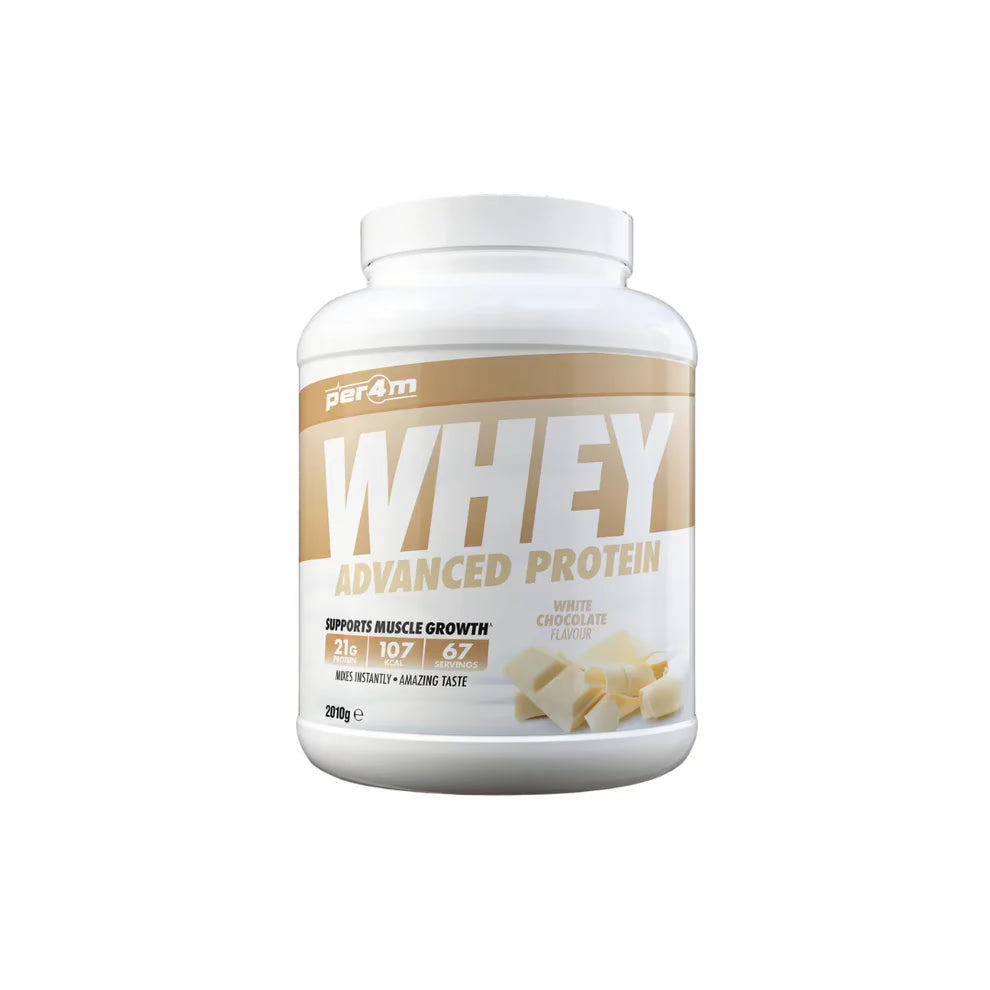

Whey protein powder is big business, widely available not just in the fitness industry, but also in most supermarkets. It’s arguably one of the easiest ways to increase protein intake without a need to prep or cook food. Add liquid, shake and go.
But do you know where it comes from? I’ve lost count of how many parents have asked me “is it safe” for their teenager to take.
So here is everything you need to know about whey protein…
Protein powder began life as a by-product of cheese production. What was once considered a waste product is now a multi-billion-pound industry.
It starts with milk.
Milk contains two main proteins: around 80% is casein, while the remaining 20% is whey.
When cheese is made, enzymes are added to milk causing the casein proteins to coagulate and form solid curds. These curds eventually become cheese. Left behind is the watery liquid that we know as whey. You’ll recognise it as the liquid you normally tip into the sink from the top of your 0% fat Greek yoghurt.
Historically, this liquid was discarded or used as animal feed. But whey contains a significant amount of nutrients, including protein, lactose, minerals and vitamins, so throwing it away seemed uneconomical and environmentally unfriendly.
On realising this, food manufacturers created a “whey” to harness the value and turn it into the whey protein powder that us from the fitness industry can’t live without today.
How does it go from a liquid to a powder?
Because fresh whey is a liquid, to make a powder, manufacturers must first remove the water and separate the protein from other its components. This is done through different filtration techniques.
The liquid is passed through specialised membranes that allow smaller molecules like lactose (the sugar in milk) and minerals to pass through while retaining the larger protein molecules.
The more filtration, the higher the protein concentration. This is how the different types of whey protein are produced.
(1) Whey Protein Concentrate (WPC)
WPC is the least processed form of whey protein and typically contains anywhere from 70-80% protein. The remaining 20-30% is carbohydrates, fats and naturally occurring milk components. Because it undergoes less processing, WPC retains more of the compounds naturally found in whey, and is usually the cheapest option.
For most people, WPC provides more than enough high-quality protein to support muscle growth and recovery.
(2) Whey Protein Isolate (WPI)
WPI undergoes additional filtration to remove most of the lactose, fat and carbohydrate content, increasing the protein concentration to around 90% or higher. As a result, isolates are sold as more premium options (more £).
For people with a lactose intolerance, isolates can suitable because of their lower lactose contents. However, the nutritional difference between concentrate and isolate can be less than you might assume; a scoop of WPC contains around 24g of protein and a scoop of WPI contains 27g protein.
(3) Hydrolysed Whey
Hydrolysed whey is ‘pre-digested’ by adding enzymes to break down some of the protein chains into smaller fragments called peptides. This process is called hydrolysis.
The smaller protein fragments are absorbed more rapidly by the body (theoretically). Practically, the benefit of hydrolysed whey is quite small - muscle growth is determined by total daily protein intake, strength training, recovery and consistency rather than the speed that amino acids are delivered to the bloodstream.
(4) Casein
Casein is the other 80% of milk protein. Unlike whey, it forms a gel-like structure in the stomach, slowing digestion and absorption. Because of this, it’s common for whey protein to be recommended post-training (“fast” digestion), and casein consumed before bed for “slow” digestion overnight.
Whilst the differing digestion rates are correct, total daily protein intake is far more important than the speed of absorption.
Both whey and casein contain all nine essential amino acids and both can support muscle growth effectively so the choice often comes down to personal preference, personal digestive experience and convenience.
Should you be consuming protein powders?
Protein powder is simply a convenient (and cost effective) way of increasing daily protein intake. You can have it as a shake, mix it into your oats or yoghurt. You don’t ‘have’ to use protein powders, nor would I recommend using them as your sole source of protein.
Where a common barrier is ‘time’ protein powders can remove the need for food prep; they are not only useful if your goal is to build muscle, but generally a great way to boost protein intake.
FYI – protein intake is directly linked to muscle mass, which is directly linked to longevity. Regardless of whether you go to the gym!