

I like protein powder. I think it’s an easy, convenient, and (can be) cost effective way to top-up your protein intake, especially if you’re trying to build muscle mass. But there are so many different types and brands of protein powder – so which one(s) should you choose?
Not all protein powders are created equal – just because one tub might be £85 with beautiful packaging it doesn’t automatically make it superior to the £30 protein in a plastic bag with with an animated figure on it.
So – does protein quality actually matter, and how do you pick a powder that’s worth the money?
How does protein powder compare to food?
Protein powder is a supplement, but it’s the most “food” supplement there is. It’s just the protein that is naturally contained in other, more complex foods. During processing, the protein is isolated from foods like milk (most common), soy, peas, or eggs - most of the fat, carbs, and water are removed, leaving a concentrated protein powder that can be mixed with water, milk, or into food.
Why do I recommend food first? Whole foods are more than just protein. The whole food contains nutrients like fibre, fats, and micronutrients in a food matrix that slows digestion. The slower release allows the whole food protein to digest more gradually, which helps with appetite management, ticking a box for a lot of people.
Whey protein is digested quickly. For gen pop, this isn’t usually necessary. However, the speed of digestion is why whey became the go-to post-workout shake for the fitness industry.
Protein powder isn’t “better” or “worse” than whole food protein, it’s just a different ‘type’ of protein. Powders are a convenient, fast-absorbing top-up. Food gives you the same protein plus everything else your body needs. If you’re already eating enough protein-rich food across the day, you don’t need a protein powder – but it can an easier way to hit your protein target. As with anything nutrition, it comes down to personal preference.
Protein quality is determined by the amino acids.
The amino acid profile separates a good protein powder from an ‘ok’ protein powder.
Proteins are built from 20 amino acids. Nine of these are ‘essential amino acids’ (EAAs) which means your body can’t make them, so they have to come from your diet. Whey is a ‘complete’ protein - it is rich in all of the EAAs, and is particularly high in leucine, which is the specific amino acid needed to build muscle.
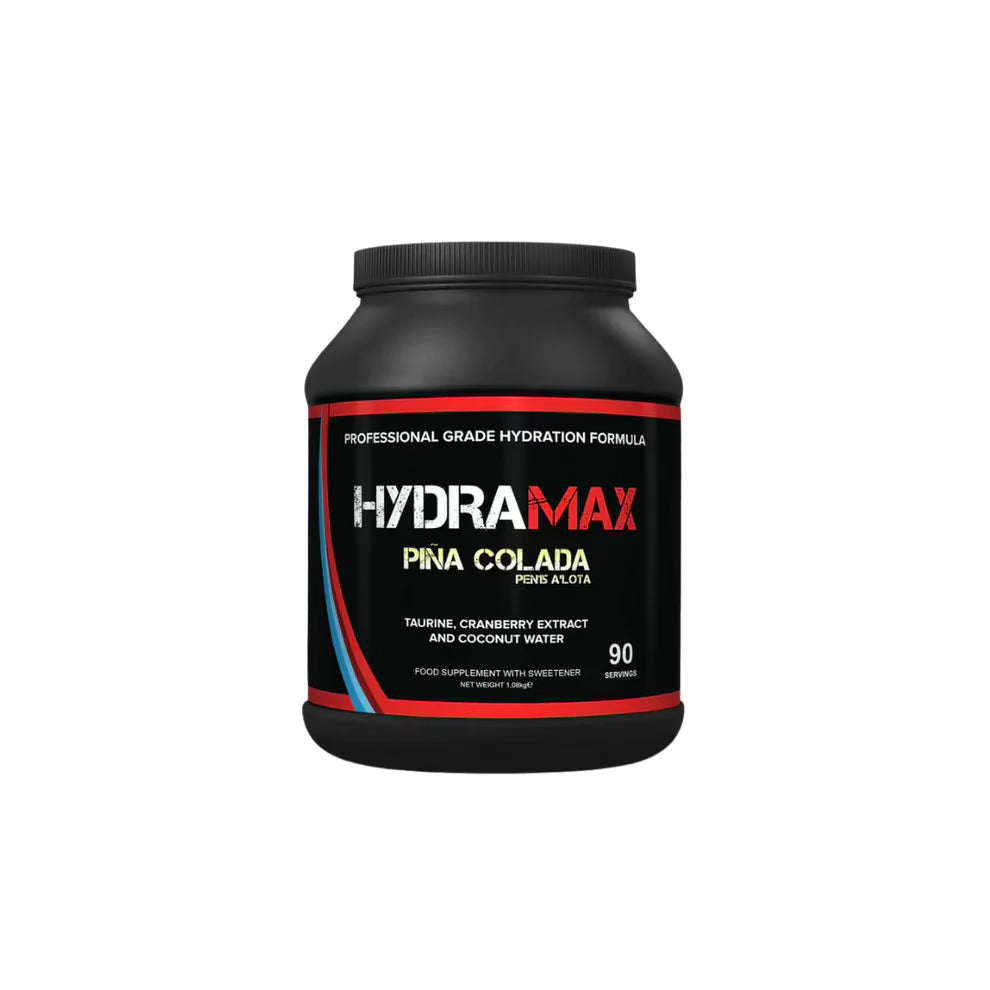
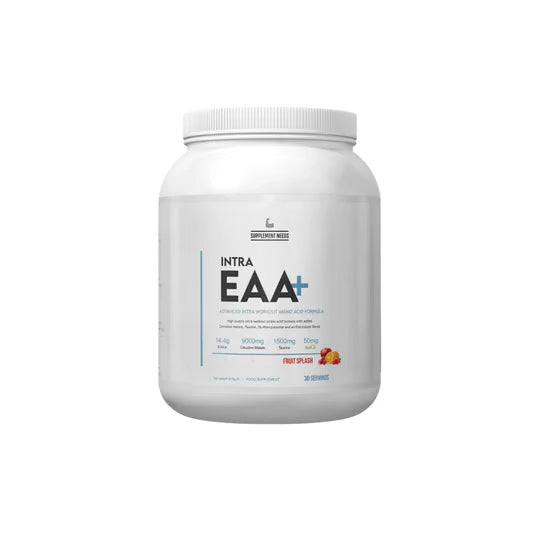
You can also buy EAA and BCAA (branched-chain amino acid - just three of the nine essentials: leucine, isoleucine and valine) supplements. If you’re already eating enough total protein, whether from food or a standard protein powder, you’re already getting all the EAAs and BCAAs you need. Isolated BCAAs in particular have pretty weak evidence behind them on their own; they may offer a small edge if you’re training in a calorie deficit, but for most people they’re an expensive way to buy amino acids you’re already consuming.
Whey protein vs plant-based protein.
With a rise in the number of people following a plant-based diet, there are now plenty of different types of protein powder to choose from suitable for every dietary need. Both animal-based and blends of plant-based proteins can be complete in amino acids, so what’s the difference in quality?
Whey wins on raw protein quality. Using DIAAS (Digestible Indispensable Amino Acid Score) whey isolate scores at the top, around 1.09–1.10. Soy protein isolate is the best plant option at around 0.90, while pea and rice proteins sit lower (roughly 0.60–0.82), each missing/falling short on at least one EAA. Blending plant sources e.g., pea & rice, improves the profile of amino acids – so always check to make sure your plant protein powder is a blend, not a single source.
Although whey is highyly bioavailable with fast absorption and digestion, it does contain lactose. For most people, this won’t matter, but for those who don’t tolerate lactose well, a whey protein concentrate might not be the best option. Plant proteins are generally gentler on sensitive stomachs and dairy-free by nature.
Whey is also usually a cheaper option gram-for-gram (although this may change…) since it’s a by-product of cheese-making and produced on a massive scale. Plant proteins, particularly organic or single-source, tend to cost more to produce driving their purchase price up.
If you eat animal-products and are not lactose intolerant, I will always recommend whey – it’s higher-quality, usually cheaper, and better-absorbed. Plant protein is great if you’re vegan, lactose intolerant, or simply prefer it - just check the label for a blended source rather than rice or hemp alone.
“Diet whey” vs standard WPC/WPI
If you are new here and haven’t read one of my previous Substacks, this might be useful to know… whey protein comes in two main forms: whey protein concentrate (WPC), which is 70–80% protein, plus naturally occurring fats and sugar (lactose), and whey protein isolate (WPI), which is filtered further to 90%+ protein so has little fat or lactose. WPI costs more to produce and is easier to digest, but there’s no real evidence to show it’s better for muscle gain than WPC. The extra cost is only justified for higher purity and easier digestion.
“Diet whey” products, like Myprotein Impact Diet Whey, are not the same thing! They are a whey blend (often WPC plus milk protein) with added extras like green tea extract, CLA, and L-carnitine, generally marketed as fat-loss support, alongside a lower calorie and carb count. The protein itself isn’t meaningfully different in quality - you’re paying a bit extra for the added ingredients and the marketing around them, with little to no evidence around their ‘fat-burning’ potential. The need for a calorie deficit to lose body fat still applies. If you’re looking for a lower-calorie protein shake, check the actual ingredients and nutrition values rather than blindly choosing a ‘diet whey’ label.
Whey vs collagen – they’re not actually competitors
Simply put - collagen is not a substitute for whey if your goal is building or maintaining muscle mass. Collagen is a protein rich in glycine, proline and hydroxyproline – these amino acids are great for skin, joints and connective tissue – whether a collagen supplement is digested into its amino acids, absorbed, and re-built into collagen is up for discussion…
… Collagen it’s an incomplete protein and contains under 1% leucine, nowhere near the amount needed for efficient muscle protein synthesis. If you eat enough total (and complete) protein in your day – food or protein powders – there is no need to also have collagen.
Beef and egg protein powders are lesser-known alternatives.
If you can’t tolerate dairy but you still want an animal-based option, you could try beef and egg white protein powders. Egg white protein is an amino acid complete, well-balanced, dairy-free protein. It’s slightly lower in leucine than whey but this shouldn’t matter unless it’s your sole source of protein. Beef protein isolate is also dairy-free but read the label - many beef protein powders are high in collagen-type beef proteins, which pushes the amino acid profile toward glycine and proline rather than the total amino acid spectrum. Look for beef protein isolate, not a beef protein blend.
A red flag. Quality packaging does not equate to quality protein.
If I could have £1 for every client who bought a supplement based on how nice the packaging was…
The “premium wellness” supplement is here to stay. The elegant matte pouches, minimalist branding, wild nutrition and health claims. Some might be genuinely excellent protein powders. Some, maybe not.
Price and packaging tell you nothing about protein quality on their own. There are well-known UK premium brands that are charging around £2.30 per serving vs standard sports brands charging £0.8-1 per serving for effectively the same protein.
So, when you are choosing the type of protein you want check for these:
- What is the protein source? Is it named specifically or is it a blend?
- What is the amount of protein per serving, and what is the price per serving? Don’t go straight for the tub price alone.
- Check any labels for “proprietary blend” or “protein-complex” – what does this actually mean? It might be a fancy way of naming a less complete mix of proteins, or contain other ingredients that are not required.
Which protein powder is for you?
Protein quality does matter - it comes down to the amino acid profile and how it fits your actual needs. Whey isolate or a well-blended plant protein will comfortably cover most people’s muscle protein synthesis needs. Egg white and beef proteins each have their own niche rather than necessarily being straight substitutes. Collagen is pointless and you’d be much better focussing on eating enough total protein.
Taste and textures of different protein types and different brands will always vary, so you might need to try a few to find the ones you enjoy. This might be different if you’re having your protein as a shake or mixing it with your yoghurt or oats.
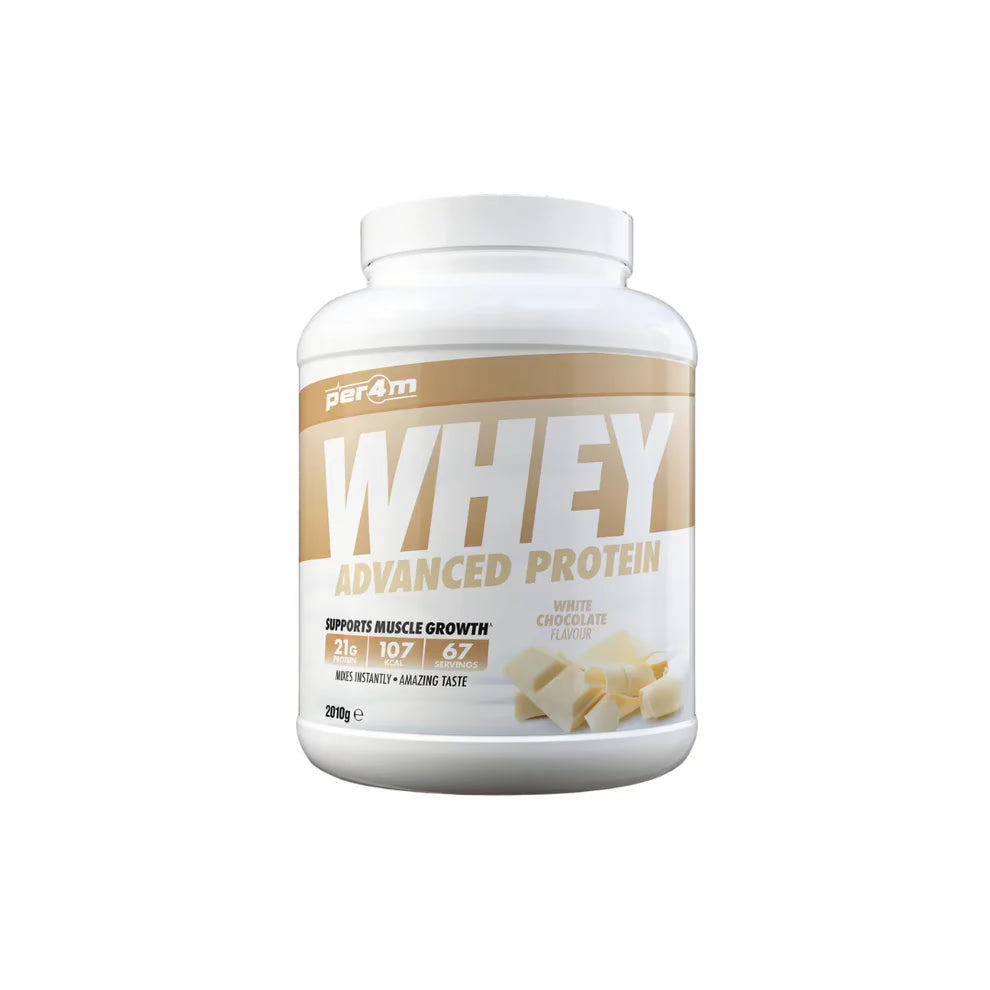
Shameless plug. You can get samples of Per4m whey protein from www.fullboarsports.co.uk – if you use code DrEm, you’ll also get 10% off.